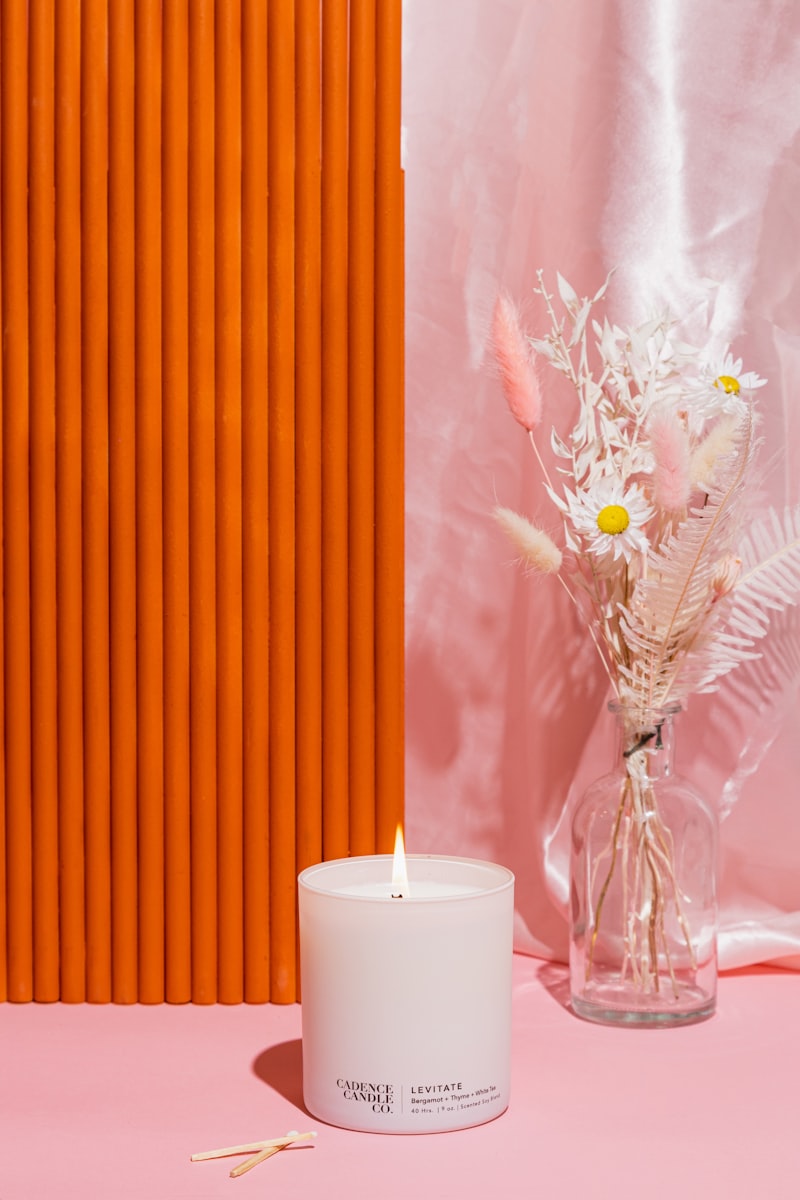
Fragrance is what turns a plain block of wax into something people want to light, display, and buy. Getting the scent right — the type of fragrance, the amount you add, the temperature at which you add it, and how long you let the candle cure — determines whether your candle fills a room with scent or barely registers at arm’s length.
This guide covers the practical side of scenting candles, from choosing between fragrance oils and essential oils to dialling in the right load percentage for your wax type.
Fragrance Oils vs Essential Oils
There are two broad categories of scent you can add to candles, and the choice between them affects performance, cost, and how you market the finished product.
Fragrance oils are synthetic or semi-synthetic blends formulated specifically for candle making. They are designed to bind with wax, withstand heat, and release scent steadily as the candle burns. The range of available scents is enormous — everything from realistic bakery aromas to complex designer-inspired blends that could never come from a single plant extract. Fragrance oils typically produce a stronger scent throw than essential oils at the same loading percentage.
Essential oils are natural plant extracts obtained through distillation or cold pressing. Lavender, eucalyptus, peppermint, and tea tree are among the most popular for candle making. They appeal to customers who want completely natural products, and they carry the aromatherapy angle that sells well in certain markets. The trade-off is a lighter scent throw — essential oils are more volatile than synthetic fragrance oils, which means more of the scent evaporates during the melting and pouring process.
How Much Fragrance to Add
Fragrance load is expressed as a percentage of the total wax weight. The standard range for most candle waxes is 6-10%, and the right amount depends on your wax type, the specific fragrance, and your personal preference.
Soy wax: Most soy waxes can hold 6-10% fragrance. Start at 8% and adjust from there. Going above 10% with soy wax often causes sweating (beads of oil on the surface) without meaningfully improving scent throw. For a 200g candle, 8% means adding 16g of fragrance oil.
Paraffin wax: Paraffin can handle higher fragrance loads — up to 10-12% in many formulations. It also releases scent more aggressively than soy, so you may not need as much to achieve the same perceived strength. Start at 8-10% for paraffin.
Essential oils: Use a higher percentage (8-10%) to compensate for their lighter throw. Some essential oils — particularly citrus scents — evaporate faster than others, so you may need to go towards the higher end for lemon, orange, or grapefruit. Lavender and eucalyptus hold up better.
Temperature Matters More Than You Think
Adding fragrance at the right temperature is one of the most critical steps in candle making, and it is where many beginners go wrong.
If the wax is too hot when you add fragrance (above 80 degrees Celsius), the volatile compounds in the oil will burn off or evaporate, leaving you with a candle that smells faint despite having the right fragrance percentage. If the wax is too cool (below 55 degrees Celsius), the oil will not bind properly with the wax and may pool on the surface or create wet spots on the glass.
For soy wax, the ideal window is 60-65 degrees Celsius. Remove the wax from heat, let it cool to this range, add your fragrance, and stir continuously for two full minutes. Thorough stirring is not optional — it distributes the fragrance evenly throughout the wax so every section of the candle performs consistently.
Hot Throw vs Cold Throw
Candle makers talk about two types of scent performance. Cold throw is how the candle smells when unlit — the scent you notice when you pick up a jar and sniff. Hot throw is the scent released while the candle is burning, carried into the room by the heated wax pool.
A candle with good cold throw but weak hot throw usually has a fragrance that does not release well at burning temperature. A candle with good hot throw but weak cold throw may just need more curing time.
If you are selling candles, cold throw matters because it is the first impression a customer gets. If the candle does not smell appealing in the jar, it does not get purchased — regardless of how well it performs when lit.
Curing Time and Scent Development
Freshly poured candles almost always have weaker scent throw than cured candles. During the curing period (1-2 weeks for soy wax, shorter for paraffin), the fragrance oil continues to bond with the wax molecules, creating a more stable and potent scent profile.
Rushing the cure is the most common reason beginners think their candles have weak scent. If you test burn a soy candle the day after pouring and find the scent disappointing, wait another week and test again — the difference can be dramatic.
For the strongest scent throw, let soy candles cure for a full two weeks in a cool, dark place with the lids on. Paraffin candles typically need less curing time — 3-5 days is often sufficient.
Popular UK Scent Combinations
Single-note fragrances work well, but blending two or three scents creates more complex and distinctive candles. Some combinations that sell consistently in the UK market:
Vanilla and sandalwood — warm, cosy, and universally appealing. Lavender and eucalyptus — fresh and calming, strong aromatherapy association. Cinnamon and orange — seasonal favourite for autumn and winter. Fresh linen and sea salt — clean and airy, popular in spring and summer. Rose and oud — luxurious and distinctive, commands a premium price.
Start with proven combinations before experimenting with unusual blends. Our beginner guide walks through the full process of making a scented candle from scratch, including the exact temperatures and timings for each step. If you are still choosing between wax types, that will also affect which fragrances perform best in your candles.